The 30-Second Summary
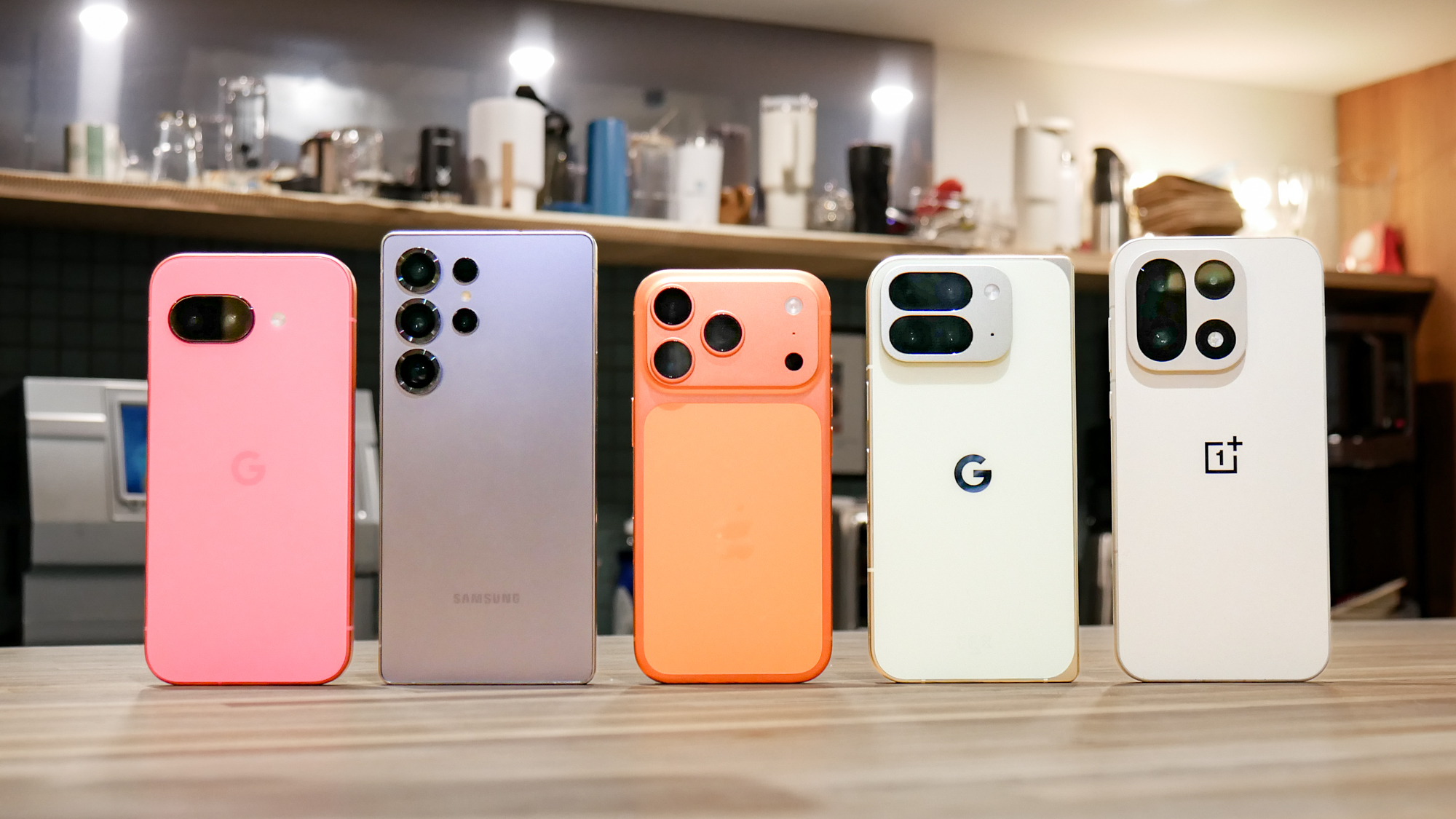
In 2026 you no longer need to splurge on a flagship for a solid everyday experience: upper-mid-range phones have closed much of the gap for daily tasks and productivity. If camera quality and raw power are non-negotiable, a flagship like the Galaxy S26 Ultra or the OnePlus 15 still makes the difference. If you're after a balance between price and features, brands like Motorola, Xiaomi, POCO, or Samsung's mid-tier line have plenty of solid options.
1. Start With the Use Case, Not the Budget
Before checking any spec sheet, it's worth asking what you'll actually be using the phone for most of the time. If it's work, social media, and casual photos, an upper-mid-range phone covers that just fine. But if you take photography or video more seriously, play demanding games, or simply want the latest in display and processor tech, that's when it makes sense to look at the flagship segment.
2. Upper-Mid-Range: The Best Bang for Your Buck
Brands like Samsung, Motorola, Xiaomi, Honor, Google, and OnePlus dominate this segment with phones that combine powerful processors, solid cameras, and long-lasting batteries at prices well below a flagship. The Motorola Edge 60 Pro stands out for its premium design and battery life through long workdays, while the Samsung Galaxy S25 FE leans on steady software updates as its main selling point.
This segment also includes a strong showing from the Google Pixel 10a, known for standout image processing for its category, along with models like the POCO X8 Pro or the Xiaomi Redmi Note 14 Pro+, which prioritize strong performance and fast-charging batteries.
3. Flagships: When Camera and Display Are Non-Negotiable
The Samsung Galaxy S26 Ultra stands out as one of this year's flagship benchmarks, while the OnePlus 15 offers a large-capacity silicon-carbon battery at a noticeably lower price than Samsung's flagship. The Realme GT7 Pro, for its part, aims to deliver flagship-level specs — including a top-tier Snapdragon chip — without hitting the price of the priciest models on the market.
On displays, what actually matters in this segment isn't resolution alone but refresh rate: 120 Hz has become the reasonable standard, and gaming-focused models go up to 144 or even 165 Hz.
4. What to Check Beyond the Model Name
📱 The Details That Actually Matter
- Display: at least Full HD+ with a 90-120 Hz refresh rate; the smoothness jump matters more than expected.
- Main camera: optical image stabilization (OIS) matters more than the number of lenses on the back.
- Battery: look at capacity and charging speed together, not just the raw mAh number.
- Software updates: they determine how many years the phone will keep feeling modern and secure.
5. Frequently Asked Questions
Is a foldable phone worth the extra cost?
Depends on your use. They're excellent for productivity and multitasking, but they're still notably pricier and less durable than a traditional phone.
Are mid-range phones good enough for everything now?
For everyday use and productivity, yes, the gap with flagships keeps getting smaller. It's still noticeable in advanced photography and demanding gaming.
How much does the brand actually matter when choosing?
Less than it seems: several brands now offer similar specs at the same price point. What tends to matter more is software update support and local warranty coverage.
This article is for educational and informational purposes. Models and prices mentioned are for reference only and may vary by market and local availability.