The 30-Second Summary
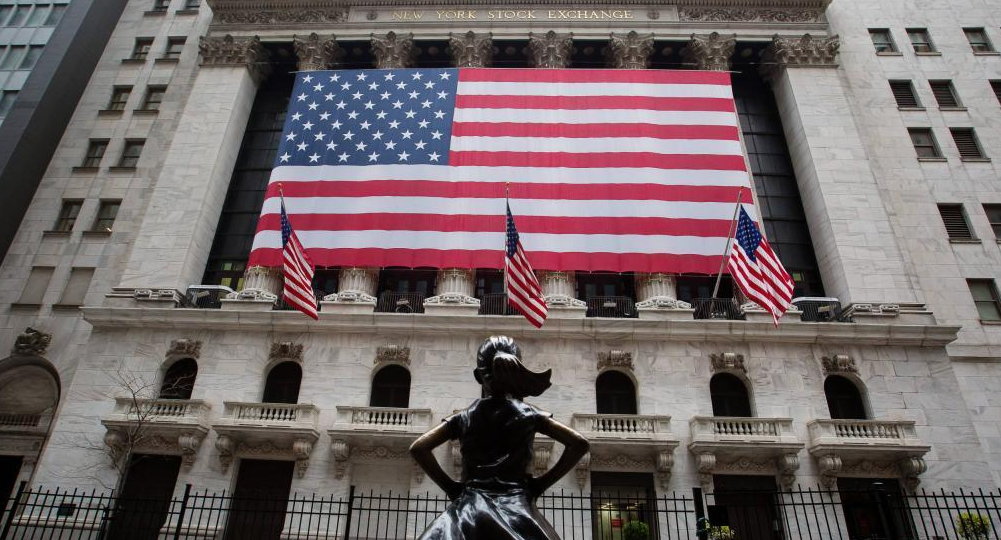
Wall Street is the metonym for the U.S. financial services industry. Home to major stock exchanges like the NYSE and NASDAQ, investment banks, hedge funds, and asset managers, it is where companies raise capital by issuing stocks and bonds to fund global expansion.
1. The Origin and Function of Wall Street
Originally named after a physical wooden wall built by Dutch settlers in New Amsterdam in the 17th century to protect against attacks, Wall Street evolved into the commercial heart of the United States following the Buttonwood Agreement of 1792, which laid the foundation for the New York Stock Exchange.
| Institution Type | Primary Function | Famous Examples |
|---|---|---|
| Stock Exchanges | Marketplaces for buying & selling equity | NYSE, NASDAQ |
| Investment Banks | Underwrite IPOs, manage corporate M&A | Goldman Sachs, Morgan Stanley |
| Asset Managers | Manage pensions, ETFs, and retail capital | BlackRock, Vanguard, Fidelity |
| Hedge Funds | Pooled high-risk active trading strategies | Bridgewater, Citadel, Renaissance |
2. How Capital Flows Through Wall Street
Wall Street acts as an intermediary connecting entities that have excess capital (investors, pension funds) with corporations and governments that need capital to build infrastructure, invent technology, or expand operations.
Primary Markets (IPOs)
Where companies issue brand-new stocks or bonds directly to institutional buyers for the first time through an Initial Public Offering (IPO) to raise cash.
Secondary Markets
Where investors trade existing securities among themselves. The original issuing company does not receive money from these daily trades on the NYSE or NASDAQ.
3. Wall Street Meets Decentralized Finance (DeFi)
Historically, Wall Street was centralized, highly regulated, and relied on legacy settlement cycles (T+1). However, the rise of Bitcoin, spot ETFs, and Real-World Asset (RWA) tokenization has created a profound merger between traditional markets and blockchain technology.
📈 The Institutional Shift
Major financial titans like BlackRock and Fidelity now manage billions in crypto-backed ETFs, bridging traditional stock brokerages directly with decentralized blockchain rails.