The 30-Second Summary
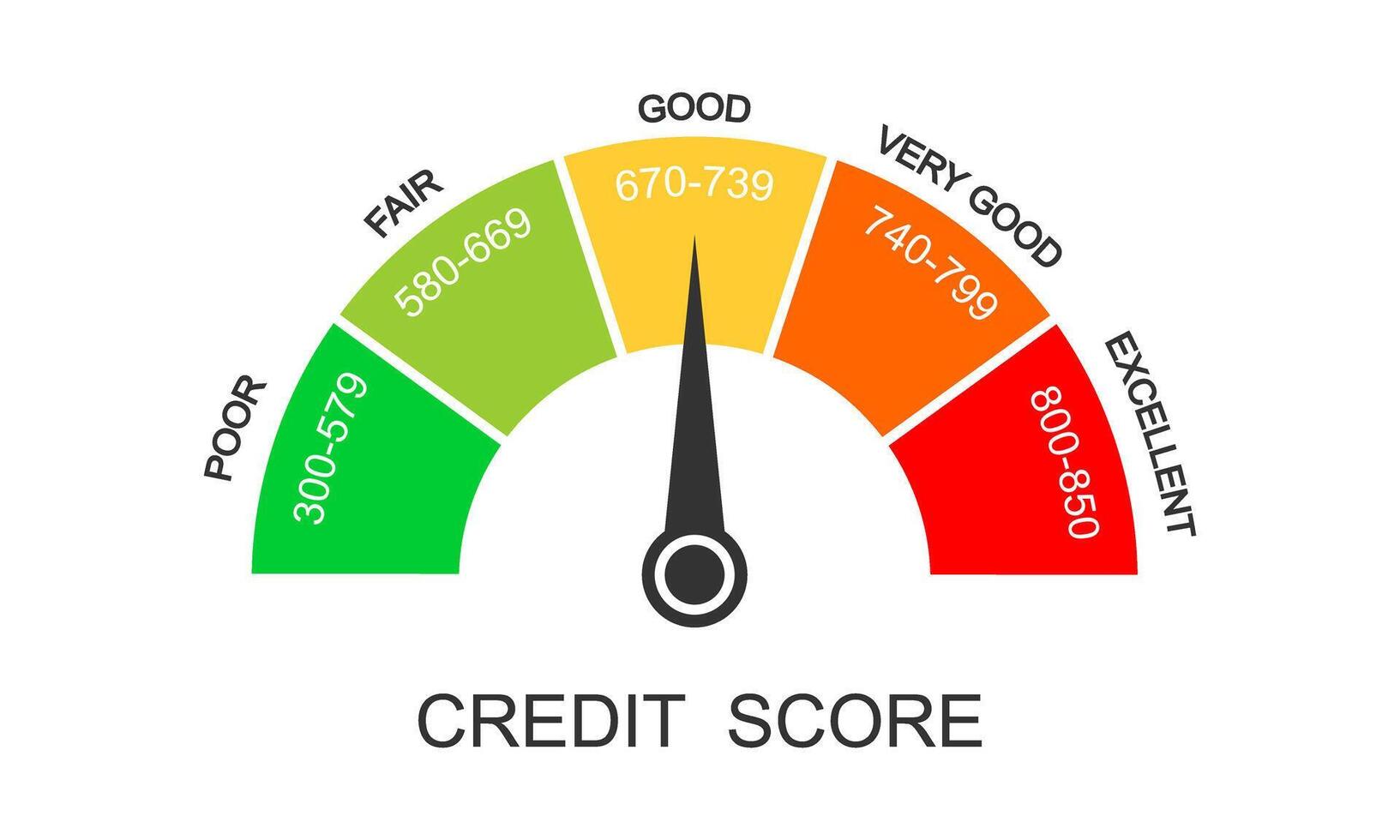
A credit score is a three-digit number, usually between 300 and 850, that summarizes how risky you look to a lender. It's built almost entirely from two things: whether you pay on time, and how much of your available credit you're actually using. Everything else — length of history, credit mix, new inquiries — matters far less than most people assume.
1. What a Credit Score Really Measures
A credit score isn't a reflection of how much money you have. It's a prediction: based on your past behavior, how likely are you to repay a debt on time? That's it. Someone with a modest income who always pays on time can easily outscore someone with a high income who carries maxed-out cards.
The score is generated by scoring models — the most common being FICO and VantageScore — using the data in your credit report, which is maintained by credit bureaus. Lenders use the score as a fast filter before deciding whether to dig deeper into your application.
2. What Actually Moves the Number
| Factor | Approx. Weight | Why It Matters |
|---|---|---|
| Payment history | ~35% | A single late payment can drop a score fast, and it stays visible for years. |
| Credit utilization | ~30% | How much of your available limit you're using, ideally kept low. |
| Length of credit history | ~15% | Older accounts in good standing build confidence over time. |
| Credit mix | ~10% | A blend of cards, loans, or a mortgage shows you can manage different debt types. |
| New credit inquiries | ~10% | Applying for several accounts in a short window can look risky. |
*Weights are approximate and vary slightly by scoring model and version.
3. Reading the Score Ranges
| Score Range | General Category |
|---|---|
| 800–850 | Exceptional — best rates available |
| 740–799 | Very good |
| 670–739 | Good — near the national average |
| 580–669 | Fair — approvals possible, higher rates |
| Below 580 | Poor — approvals harder to get |
4. Practical Ways to Raise It
None of these are secrets, but doing them consistently is what actually works:
- Automate at least the minimum payment. One missed due date does more damage than almost anything else on this list.
- Keep utilization under roughly 30% of each card's limit, and lower is better. Paying down a balance before the statement closes can help even if you pay it off in full later anyway.
- Don't close your oldest card. Closing it shortens your average account age and can also reduce your total available credit, pushing utilization up.
- Space out new applications. Each hard inquiry has a small, temporary effect — a cluster of them in a short window adds up.
- Check your credit report for errors. Incorrect late payments or accounts that aren't yours are more common than people expect, and disputing them can recover points quickly.
5. Myths Worth Retiring
Checking your own score does not lower it — that's a "soft" inquiry and has no impact. Carrying a small balance month to month doesn't help your score either; paying in full is fine and doesn't cost you anything in points. And having no credit history at all isn't neutral — it usually scores similarly to having a thin or damaged file, since there's simply nothing to evaluate.
6. Frequently Asked Questions
How often does my credit score update?
Most lenders report to the bureaus roughly once a month, so your score typically shifts on a similar cycle rather than in real time.
How fast can a low score actually improve?
Utilization-driven changes can show up within one or two billing cycles. Rebuilding after missed payments or collections tends to take months to a couple of years.
Do I need a credit card to build credit at all?
It's the most common path, but secured cards, credit-builder loans, and being added as an authorized user on someone else's account are all reasonable alternatives.
This article is for educational and informational purposes only and is not financial advice. Scoring models, terminology, and thresholds can vary by provider and by country.