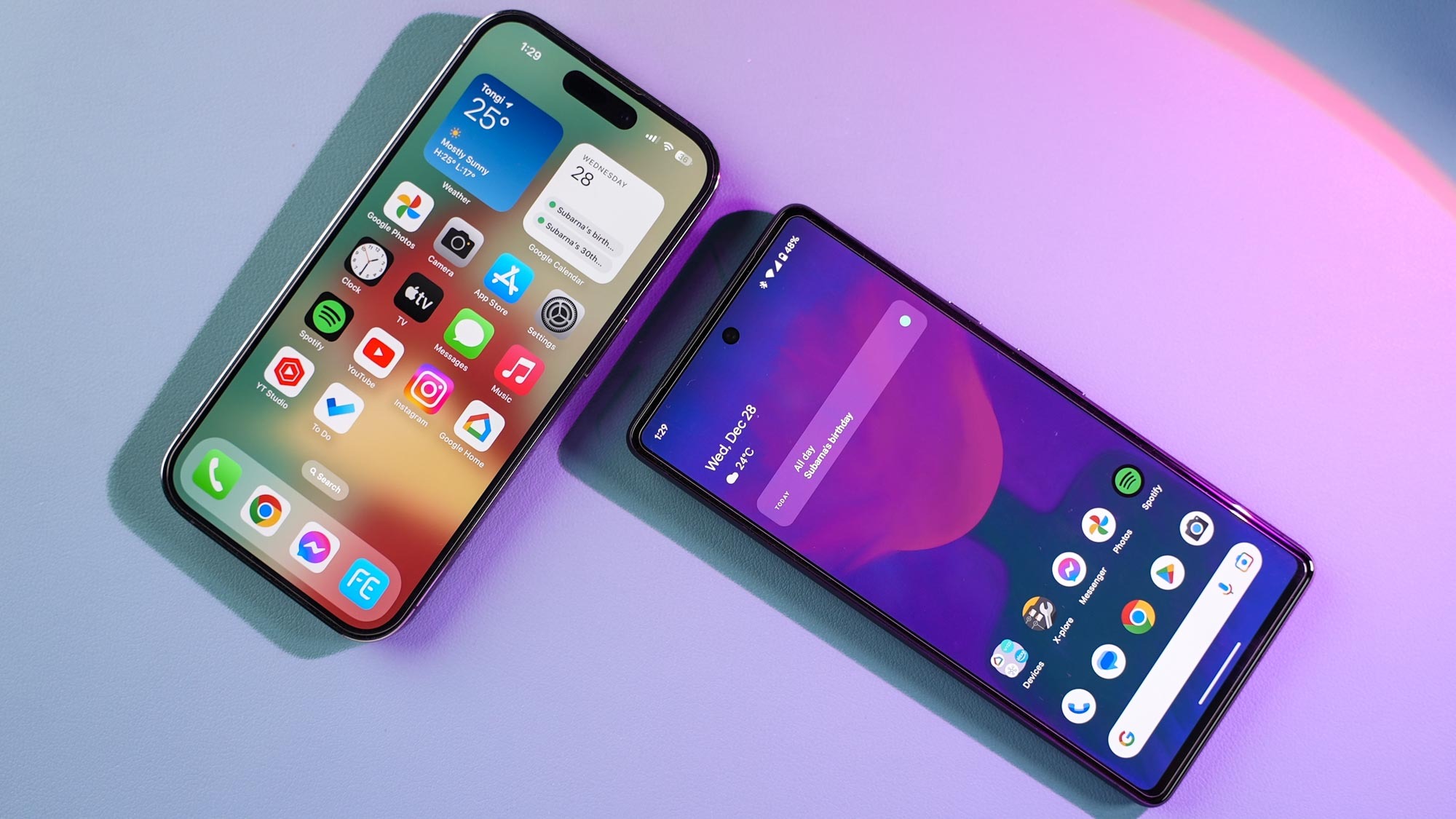
The 30-Second Summary
iPhones tend to win on long-term software support, resale value, and a tightly controlled ecosystem, which appeals to people who want things to just work with minimal fuss. Android wins on price range, hardware variety, and customization, which appeals to people who want more control and more choice at every budget level. Neither one is objectively correct — the right pick depends on what you already own and how much tinkering you enjoy.
1. The Differences That Actually Affect Daily Life
Most people compare cameras and chip benchmarks, but the differences that actually shape your day-to-day experience are less flashy: how long the phone keeps getting security updates, how easy it is to switch brands later without losing your photos and messages, and how much the phone tries to make decisions for you versus letting you configure things yourself.
Apple controls both the hardware and software tightly, which is why iPhones feel consistent across the lineup and get updates for many years after release. Android is an open system that dozens of manufacturers build on, which produces far more variety in price and design, but also more inconsistency in how long a given phone gets updated.
2. Side-by-Side on What Matters
| Category | iPhone | Android |
|---|---|---|
| Price range | Narrower, generally mid-to-high | Wide, from budget to ultra-premium |
| Software update years | Typically longest in the industry | Varies a lot by brand and model tier |
| Customization | Limited, fairly locked down | Extensive, down to the home screen and defaults |
| Resale value | Generally holds value well | Depreciates faster on most models |
| Ecosystem lock-in | Strong if you use other Apple devices | Looser, easier to mix brands |
*Specific update commitments and prices vary by exact model and manufacturer — always check the current policy for the model you're considering.
3. The Question That Actually Decides It
The single biggest factor for most buyers isn't the phone itself — it's what everyone around them uses. If your family and friends are mostly on iPhones, features like seamless group messaging and file sharing work more smoothly if you're on one too. If you're already invested in a different ecosystem, or you just want more flexibility on price and features, Android removes that friction.
4. What Matters Less Than the Marketing Suggests
Camera megapixel counts and benchmark scores get most of the attention in reviews, but the gap between flagship phones on either side has gotten small enough that most people can't tell the difference in daily use. Chasing the highest number on a spec sheet is usually a worse use of your budget than picking storage capacity and battery life that actually fit how you use your phone.
5. Frequently Asked Questions
Is it hard to switch from iPhone to Android or vice versa?
Both platforms now offer official transfer tools for contacts, photos, and messages. The main friction is usually app purchases and subscriptions tied to one ecosystem, not the technical transfer itself.
Do I need the newest flagship model?
Usually not. A phone from one or two generations back, on either platform, covers what most people actually need at a noticeably lower price.
Which one is better for security and privacy?
Both platforms are broadly secure when kept updated. Apple's tighter control over the App Store and hardware gives it an edge in consistency; Android gives you more granular privacy controls if you're willing to configure them.