The 30-Second Summary
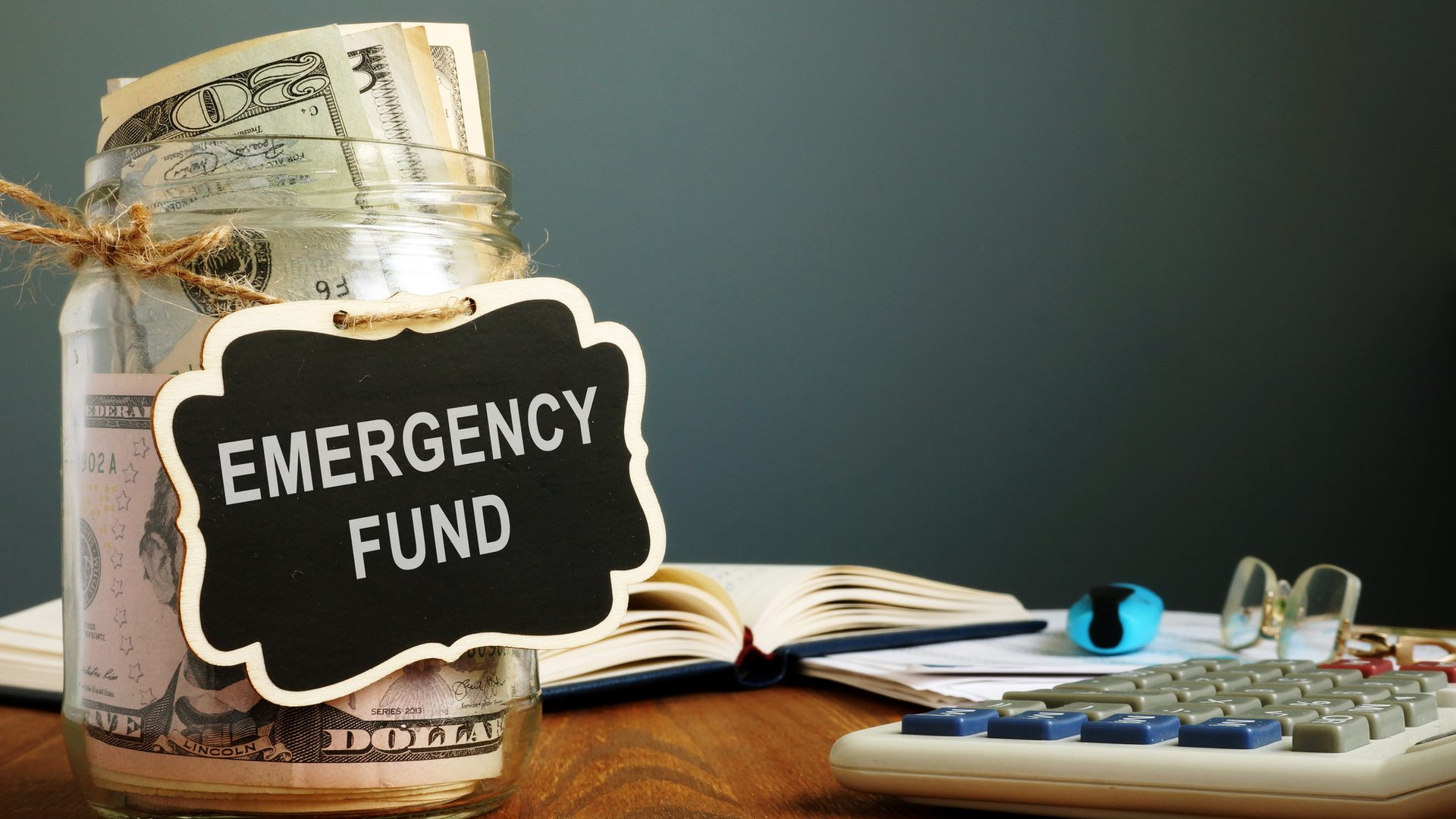
A common reference point is keeping three to six months of essential expenses in a liquid, low-risk account, though those with variable income or a single household income often target a larger range. The purpose of an emergency fund is to cover unexpected costs without needing to sell investments or take on debt.
1. Where the 3-to-6-Month Range Comes From
The three-to-six-month reference comes from estimating how long it might take to recover stable income after a job loss or major unexpected event, plus a margin of safety. It isn't a fixed number — some people need less, others need more, depending on their situation.
| Situation | General Range |
|---|---|
| Stable income, dual-income household | 3 months of expenses |
| Stable income, single-income household | 4-6 months of expenses |
| Variable or freelance income | 6-12 months of expenses |
2. Where the Emergency Fund Is Typically Kept
The priority for this money is liquidity and stability, not returns. That's why it's typically kept in easily accessible savings accounts or very short-term instruments, rather than invested in volatile assets where its value could drop right when it's needed most.
🛡️ What Usually Counts as an Essential Expense When Calculating This
- Housing: Rent or mortgage payment, condo fees, basic utilities.
- Food: Average monthly grocery spending.
- Transportation: Fuel, public transit, vehicle payment.
- Minimum debt payments: Minimum payments on existing debt, mandatory insurance.
3. Building the Fund Gradually
Reaching three to six months of expenses all at once is unrealistic for most people. A more common approach is building the fund incrementally — starting with a smaller initial cushion (sometimes referred to as a starter emergency fund) and adding to it over time until the full target range is reached.
Starter Cushion
A smaller initial amount, sometimes one month of expenses or a fixed figure, meant to cover the most common small emergencies.
Full Target Range
The complete three-to-six-month (or larger) goal, typically built up gradually through consistent automated transfers.
Replenishing After Use
When the fund is used for an actual emergency, rebuilding it is generally treated as a priority before resuming other savings goals.
4. Signs the Emergency Fund Target Should Be Larger
Certain circumstances tend to push the target range higher than the standard three-to-six-month guideline: irregular or commission-based income, being the sole income earner in a household, working in an industry with higher layoff risk, or having dependents who rely on a stable income. In these cases, a larger cushion reduces the odds of needing to rely on debt during a disruption.
5. Frequently Asked Questions
Should the emergency fund be invested to earn a better return?
Generally no — the priority for this money is being available quickly and reliably, which usually means avoiding volatile investments.
Can retirement account contributions count as part of the emergency fund?
Typically not, since many retirement accounts have penalties or restrictions on early withdrawals, which defeats the purpose of quick access.
What if I have a lot of high-interest debt too?
Many frameworks suggest building a small starter emergency fund first, then focusing extra money on high-interest debt before fully funding the larger emergency target.
This article is educational and doesn't constitute personalized financial advice.